If the last few years of design have taught us anything, it’s that playing it safe is starting to feel, well… a little boring.
After years of pared-back palettes, minimalist spaces and enough gray to last us a lifetime, our design team sees 2027 moving decidedly in the other direction. Think warmer colors, richer materials, pattern on pattern, natural finishes and spaces with a little more personality.
We asked our interior designers to look ahead and tell us what they’re excited to see more of, what they’re ready to leave behind and which under-the-radar ideas might be about to have their moment.
Their predictions varied, but a few themes came through loud and clear.
1. Warmth Is Winning
The cool-gray era has been slowly fading, and our designers expect 2027 to push it even further into the rearview mirror.
Across the team, red, orange, purple, brown, dusty rose and other warm, earthy hues came up again and again. Rather than the highly saturated colors we've seen in recent years, expect warmer shades with depth: rust instead of bright orange, oxblood or brick instead of primary red, plum instead of purple.
Even greens and blues are becoming earthier and more grounded.
![Color_Palette_2027_(2)[1].jpg](https://images.squarespace-cdn.com/content/v1/64b003923d831304c6101163/1788292011400-DL3YNXL6FWVWZBDBJSAD/Color_Palette_2027_%282%29%5B1%5D.jpg)
The shift isn't necessarily about making every room colorful, either. It's about replacing cool, flat neutrals with colors that make a space feel enveloping.
One technique our designers expect to see more of is color drenching, where walls, trim, doors and even ceilings are finished in the same color or closely related shades. Pair that with limewash, plaster or another finish with natural tonal variation, and a single color suddenly has plenty of dimension.
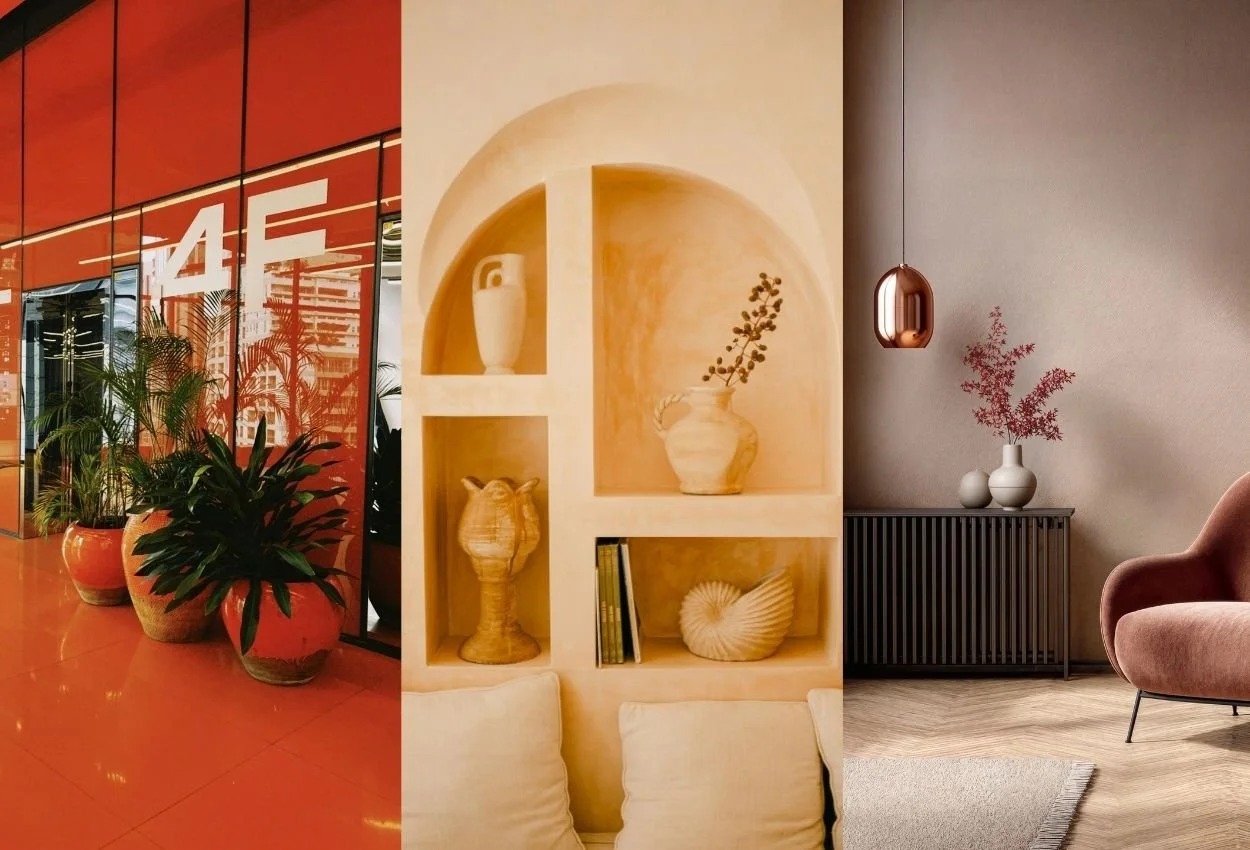
Examples of color drenching, a trend we predict will continue to build momentum in 2027.
For hospitality spaces, these richer palettes can also help create a sense of intimacy. A deep brown lobby lounge or moody plum bar can immediately feel warmer and more residential than the bright-white-and-gray spaces that dominated the previous decade.
We’re seeing less of: Millennial gray, all-neutral interiors and painted wood finishes.
2. Minimalism Makes Room for More
Our designers didn't exactly mince words on this one.
When asked which trend is overhyped, one response was simply:
“MINIMALISM!”
After years of restraint, design is getting layered again.
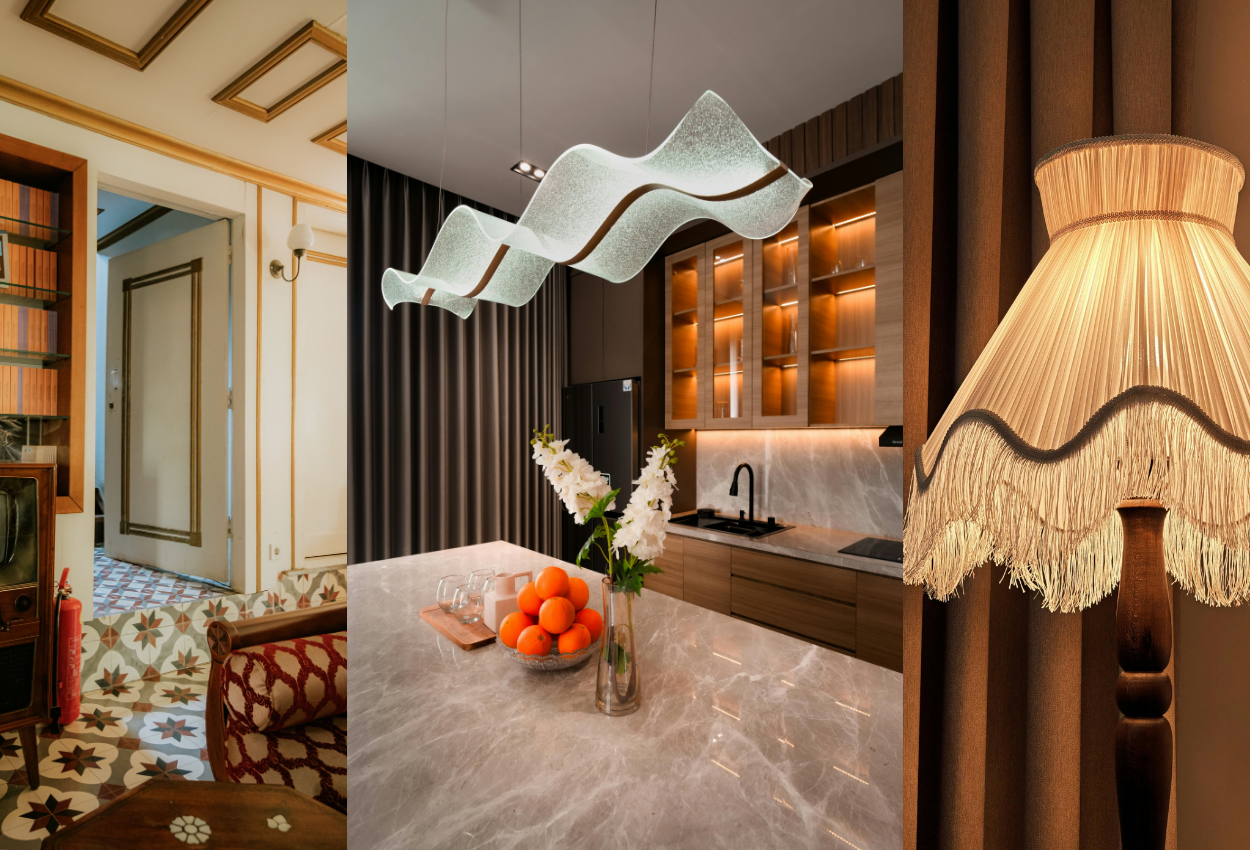
Stripes. Florals. Animal prints. Sculpted carpet. High-contrast patterns. Tactile fabrics. Fringe, ruffles, scallops and exposed seams.
In other words: details are back.
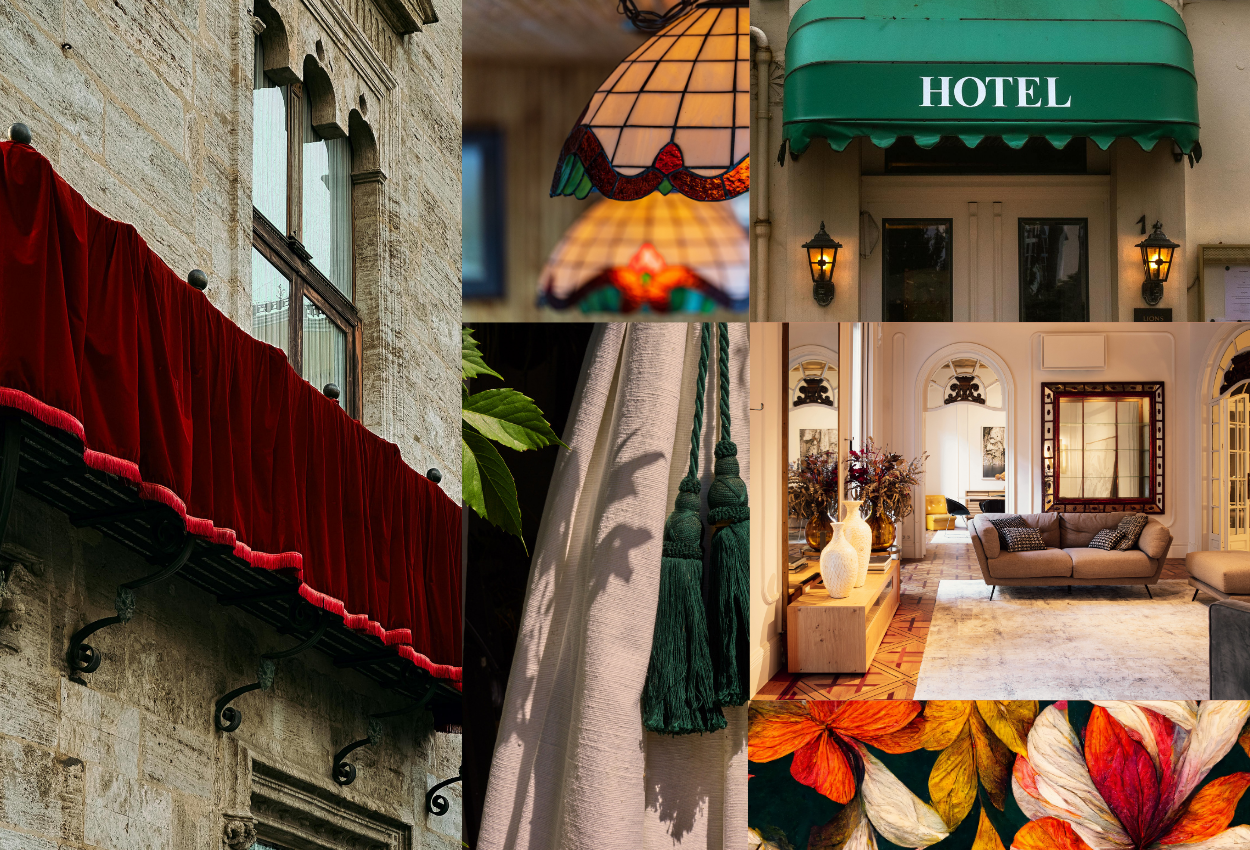
As minimalism loosens its hold, 2027 design trends are expected to embrace more detail and layering, bringing greater warmth, depth, and character to spaces.
The technical challenge is making those layers feel intentional rather than chaotic. Instead of relying on one statement pattern, designers can create depth by varying scale, texture and visual weight.
A large-scale floral wallcovering, for example, might be balanced by a smaller geometric upholstery pattern and a deeply textured solid fabric. A sculpted carpet can introduce pattern through pile height rather than color alone.
Even the edges of furniture are getting attention.
Several designers pointed to scalloped silhouettes and decorative detailing, although interestingly, the team is divided on fringe: some see decorative edges gaining momentum, while others are ready to see tassels and fringe go.
That's trend forecasting for you.
What everyone seems to agree on is the bigger idea: furniture and finishes are becoming more expressive.
3. The '70s Are Calling, But We're Not Copying Them
Retro revival isn't going anywhere, but 2027's version is less about recreating a period room and more about borrowing the best parts.
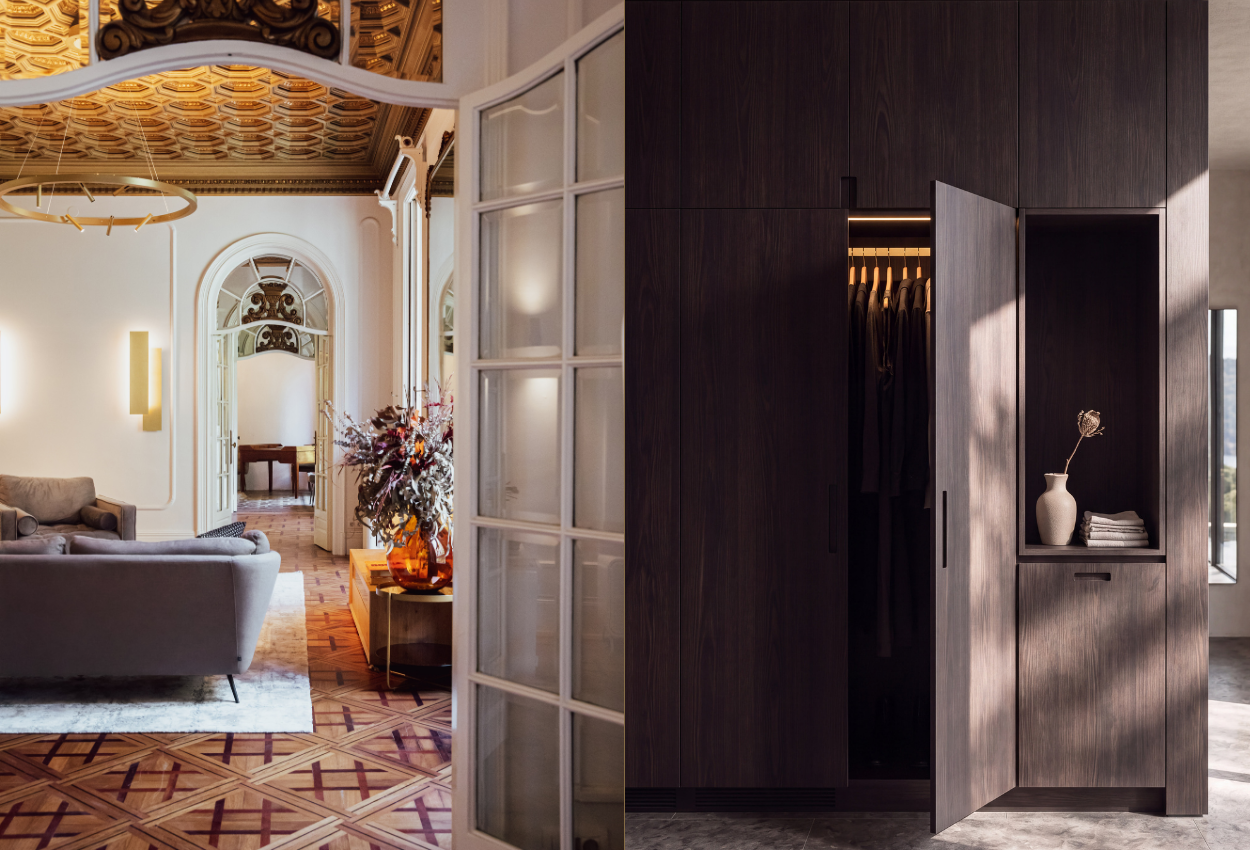
Our designers are seeing 1970s influence in furniture silhouettes, curved patterns, warm colors, dark woods and tactile materials.
Walnut? Yes.
Velvet? Absolutely.
Browns, oranges and earthy reds? They're back.
But perhaps mercifully, we aren't predicting wall-to-wall avocado shag carpet.
![70s_reimagined_1[1].jpg](https://images.squarespace-cdn.com/content/v1/64b003923d831304c6101163/1788285538455-Q9JOU9DL5PG8R75EZLI5/70s_reimagined_1%5B1%5D.jpg)
![70s_reimagined_5[1].jpg](https://images.squarespace-cdn.com/content/v1/64b003923d831304c6101163/1788285584731-4PH9MJGJIV3I6XK0LNIS/70s_reimagined_5%5B1%5D.jpg)
![70s_reimagined_3[1].jpg](https://images.squarespace-cdn.com/content/v1/64b003923d831304c6101163/1788285559191-28YAP0VMEONZHA28YX6A/70s_reimagined_3%5B1%5D.jpg)
Instead, these references are being filtered through contemporary spaces. Rounded furniture might sit alongside clean architectural lines. Burlwood can become an accent rather than covering an entire room. A retro floral can appear on a single lounge chair rather than every available surface.
One designer also called out sunken living areas as an idea they'd love to bring into a 2027 hotel lobby.
Conversation pit, anyone?
In hospitality, that idea is particularly interesting because it reinforces another shift we're seeing: moving away from rows of identical furniture and toward smaller, more varied zones where guests can gather, work, eat or settle in.
4. Natural Materials Get to Look Natural Again
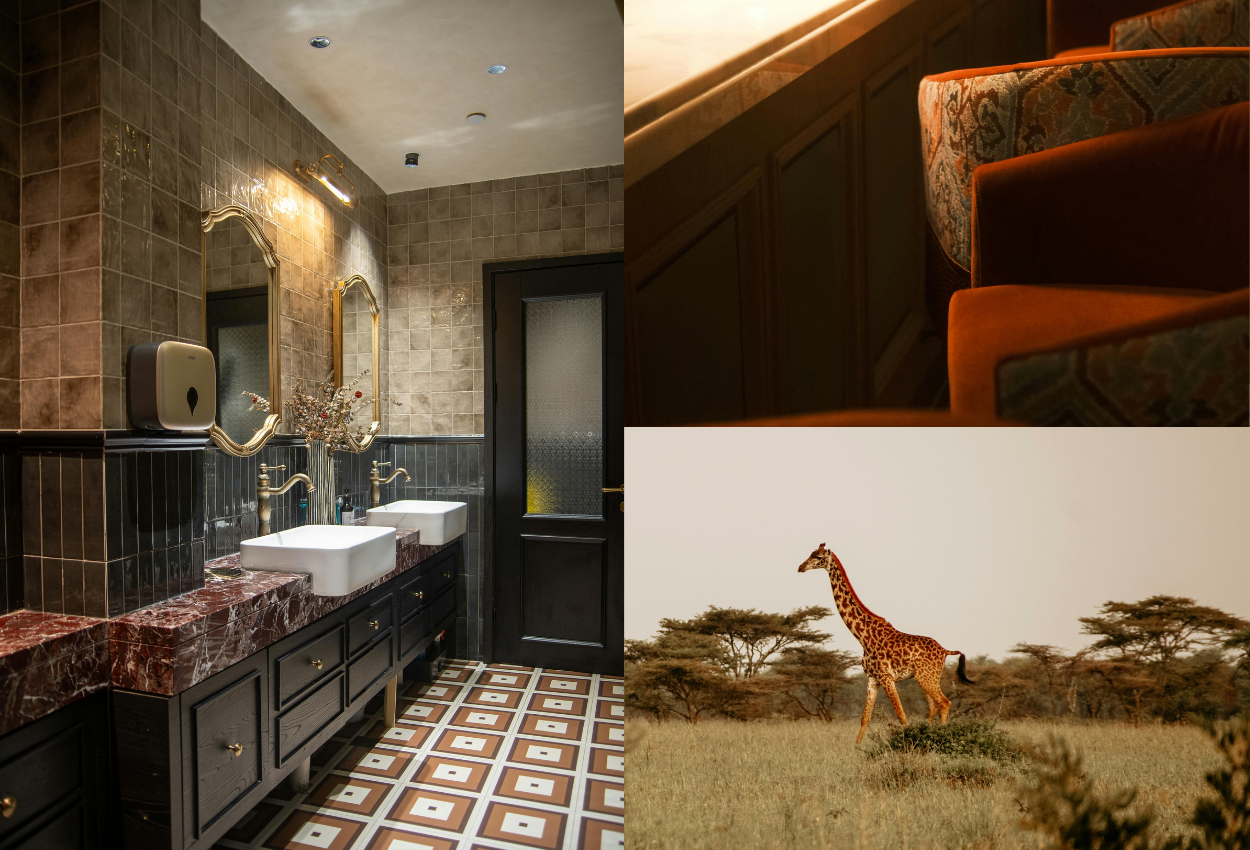
Wood is looking like wood. Stone is looking like stone. And designers are embracing materials that have some variation, texture and imperfection.
Our team called out marble, travertine, concrete, natural brick, plaster, linen, stone, tile and dark wood finishes such as walnut as materials to watch.
Even countertops are getting busier, with more expressive veining and pattern replacing some of the quieter surfaces we've seen in recent years.
![Natural_materials[1].jpg](https://images.squarespace-cdn.com/content/v1/64b003923d831304c6101163/1788284289214-RSQ45TM49K4F467SLRTH/Natural_materials%5B1%5D.jpg)
![Natural_Materials_sample_1[1].jpg](https://images.squarespace-cdn.com/content/v1/64b003923d831304c6101163/1788284600282-3WT9VEVVZC077SGGA8SW/Natural_Materials_sample_1%5B1%5D.jpg)
![Natural_Materials_sample_2[1].jpg](https://images.squarespace-cdn.com/content/v1/64b003923d831304c6101163/1788284616524-26TG3UK64RO5YUJH3ZZ5/Natural_Materials_sample_2%5B1%5D.jpg)
![Natural_Materials_sample_3[1].jpg](https://images.squarespace-cdn.com/content/v1/64b003923d831304c6101163/1788284636609-29VMAEW0FHAV9XVFHO1G/Natural_Materials_sample_3%5B1%5D.jpg)
![Natural_Materials_sample_4[1].jpg](https://images.squarespace-cdn.com/content/v1/64b003923d831304c6101163/1788284663822-8QG1TT5YVJCJC6S8CARS/Natural_Materials_sample_4%5B1%5D.jpg)
![Natural_Materials_sample_5[1].jpg](https://images.squarespace-cdn.com/content/v1/64b003923d831304c6101163/1788284689997-I57GD58E4BOQPGEMVRO5/Natural_Materials_sample_5%5B1%5D.jpg)
There's a tactile quality to all of it.
Rather than designing primarily for how something photographs, material selections are increasingly about how a space feels in person. Highly textured upholstery, dimensional carpet, raw stone and visible wood grain add depth that a smooth painted surface simply can't replicate.
That same thinking is contributing to renewed interest in vintage, antique and artisan-made pieces.
Instead of every element looking freshly ordered from the same catalog, one of our designers predicts we'll see more objects with a history: pieces with craftsmanship, patina and small imperfections that make them feel original.
It's an aesthetic choice, but it can also be a sustainability strategy. Reusing, refinishing and adapting existing pieces can keep materials in use longer while giving a space something increasingly valuable: character that can't be mass-produced.
5. Sustainable Design Gets More Practical
Sustainability itself isn't exactly a new prediction for 2027.
What may be changing is how designers approach it.
Rather than sustainability being treated as an add-on, choose material A instead of material B and call it a day, our designers see more emphasis on adaptable, reusable and long-lasting design.
Can a space evolve without being completely renovated?
Can furniture serve multiple functions?
Can an existing piece be refinished instead of replaced?
Can materials be specified because they'll age well, not just because they're currently trending?
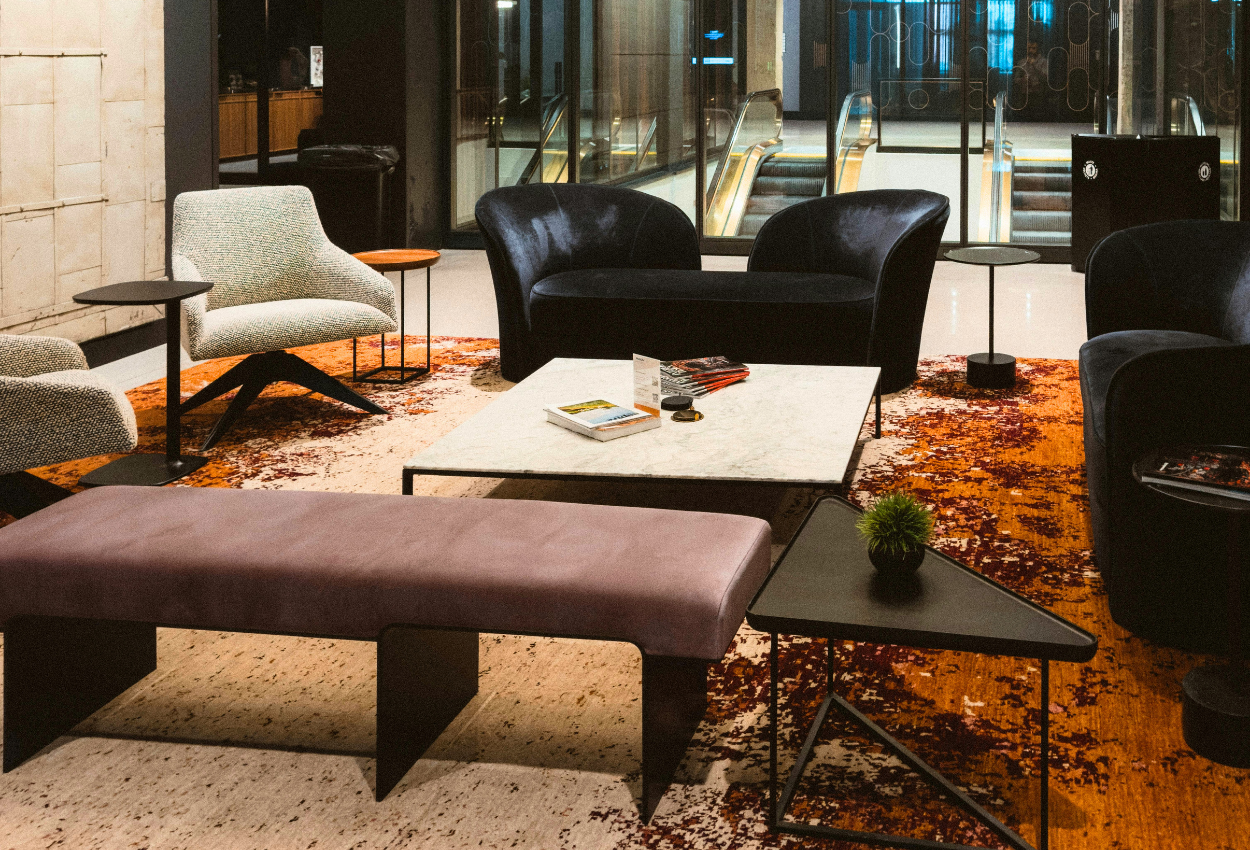
![16[1].jpg](https://images.squarespace-cdn.com/content/v1/64b003923d831304c6101163/1788284189481-S5NALDIRRBJMJ1K92A4Y/16%5B1%5D.jpg)
![Adaptable_spaces[1].jpg](https://images.squarespace-cdn.com/content/v1/64b003923d831304c6101163/1788284099154-E6JF0KJXDHIX639RNTG6/Adaptable_spaces%5B1%5D.jpg)
Biomimicry is another idea our team expects to gain momentum. The concept looks to natural systems, forms and processes for design inspiration rather than simply adding greenery to a room.
And speaking of greenery: fake moss walls may have officially worn out their welcome.
As one designer put it:
“Get real ones!”
6. The Outdoors Become Another Room
This was one of the strongest points of agreement across our entire design team.
In 2027, designers won't be treating outdoor spaces as an afterthought. They'll be designing them as an extension of the interior.
That means carrying materials, colors and textures through the transition between indoors and out; creating more comfortable furniture groupings; and designing spaces around more than the obligatory fire pit.
Outdoor dining? Yes.
Cooking? Yes.
Working, lounging and even sleeping? Also yes.
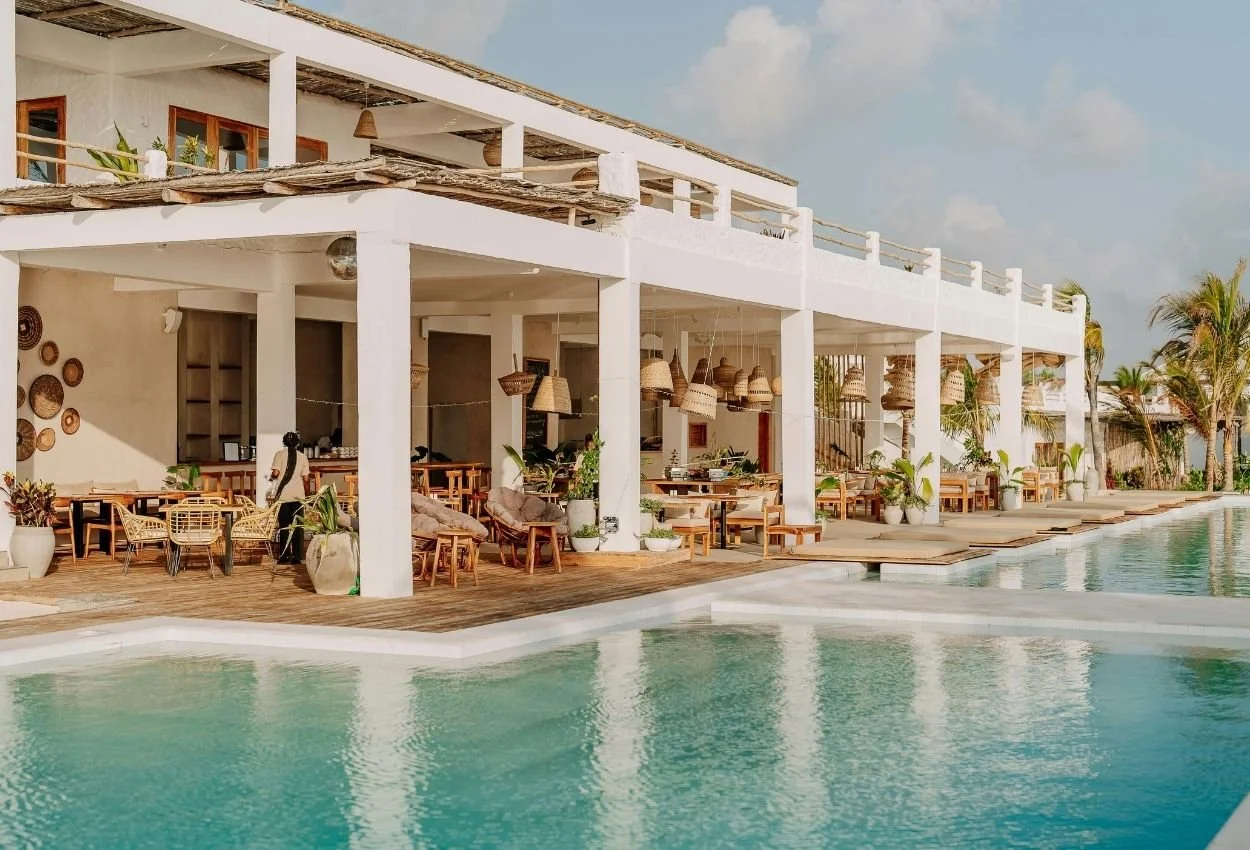
Outdoor spaces will get a lot of attention in 2027, and guests will find themselves lounging, working, and eating in these mixed use areas.
The furniture is changing accordingly. Deep-seat sofas, sectionals, chaises and varied seating arrangements are making outdoor environments feel much more like living rooms.
But there is another, more technical consideration shaping this trend: climate.
As temperatures change, designers have to think more carefully about shade, heat gain, material durability, air movement and cooling. The prettiest patio in the world isn't particularly useful if no one wants to sit there in July.
And comfort isn't only about temperature.
One designer predicts outdoor design will become increasingly sensory, incorporating fragrant plants, grasses that create sound as they move, water features and other elements that engage more than just the eyes.
Picture a courtyard where ornamental grasses rustle in the breeze, plantings create a subtle fragrance and a fountain softens the surrounding noise.
That's a very different experience than placing four chairs on a concrete patio.
![Sensory_outdoor[1].jpg](https://images.squarespace-cdn.com/content/v1/64b003923d831304c6101163/1788293744582-3QZAYK2X3GN50MULNLM2/Sensory_outdoor%5B1%5D.jpg)
![29[1].jpg](https://images.squarespace-cdn.com/content/v1/64b003923d831304c6101163/1788293768558-YC7IO40ABOLT1NQ3X1IZ/29%5B1%5D.jpg)
![28[1].jpg](https://images.squarespace-cdn.com/content/v1/64b003923d831304c6101163/1788293791716-BUAPG5RKXH8855XY6WJG/28%5B1%5D.jpg)
![27[1].jpg](https://images.squarespace-cdn.com/content/v1/64b003923d831304c6101163/1788293803994-EV0JP4FJR33CPCKTEZBQ/27%5B1%5D.jpg)
![26[1].jpg](https://images.squarespace-cdn.com/content/v1/64b003923d831304c6101163/1788293817553-XE414S24AK5JMDQU52B9/26%5B1%5D.jpg)
7. Hospitality Gets More Residential, Again
Hotels have borrowed from residential design for years, but our designers see that influence becoming more nuanced.
The goal isn't necessarily to make a hotel look like a house. It's to borrow the things residential design does particularly well: comfort, intimacy, variety and personality.
One obvious example is the hotel breakfast area.
The familiar formula of square table + four matching chairs + repeat is giving way to mixed seating environments with banquettes, lounge seating, communal tables and smaller café-style arrangements.
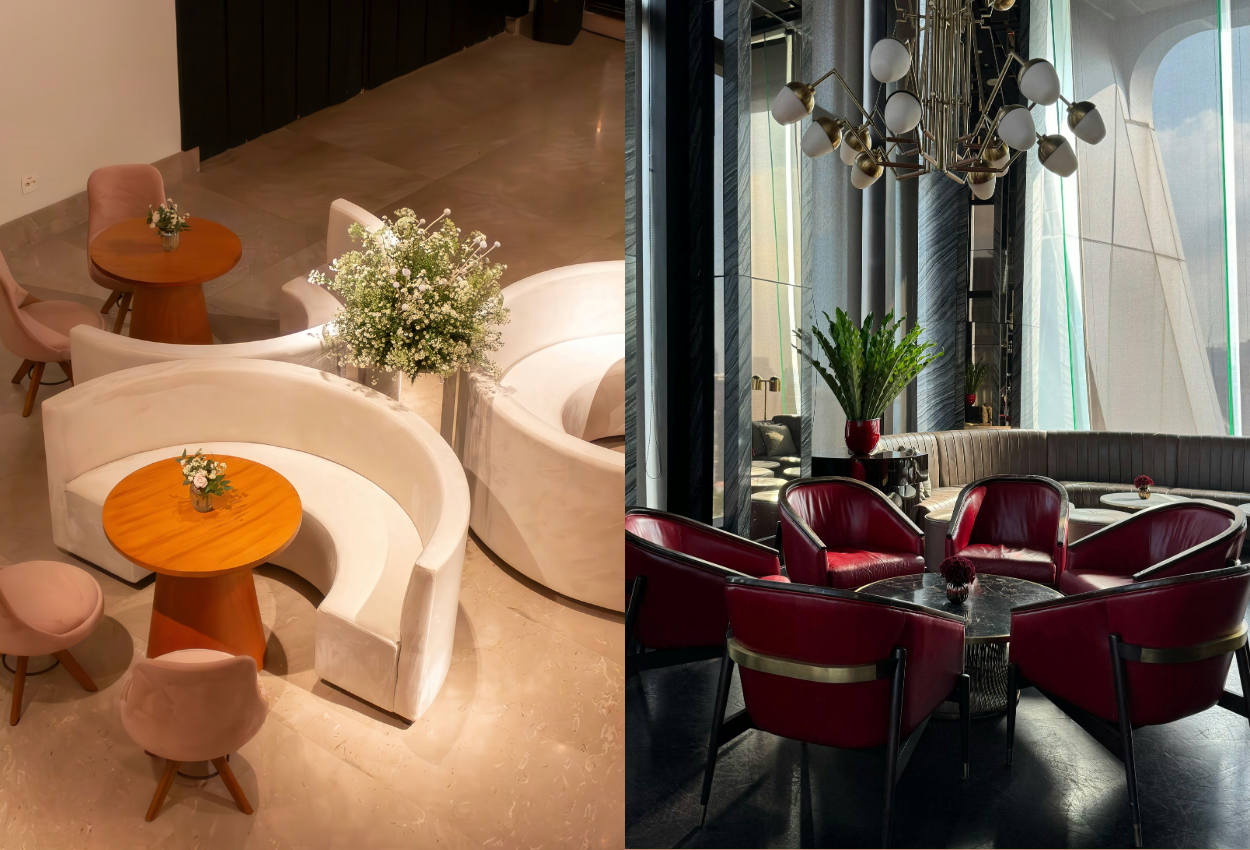
Mixed-seating environments are predicted to become more standard in 2027, replacing the traditional dining table and four chairs.
Small rechargeable table lamps are another residential and restaurant trend our team sees moving further into hospitality, adding pools of warm light to breakfast tables, bars, lounges and coffee tables.
Other details to watch include closed closet systems, taller countertop backsplashes, richer paneling and more residential material selections.
Lighting itself may become more responsive, too. One designer pointed to systems that shift in color temperature throughout the day to more closely follow the natural path of daylight.
It's a small technical detail with a potentially big impact on how a space feels from morning to night.
8. Custom Beats Cookie-Cutter
Perhaps the biggest trend isn't a color, shape or material at all.
It's specificity.
Custom artwork from local artists. Vintage pieces. Artisan craftsmanship. Unique furniture. Architectural details. Adaptable layouts. Materials with natural variation.
After years of highly repeatable design, our team sees more interest in spaces that couldn't simply be picked up and dropped into another city.
For hotels especially, that's an exciting direction.
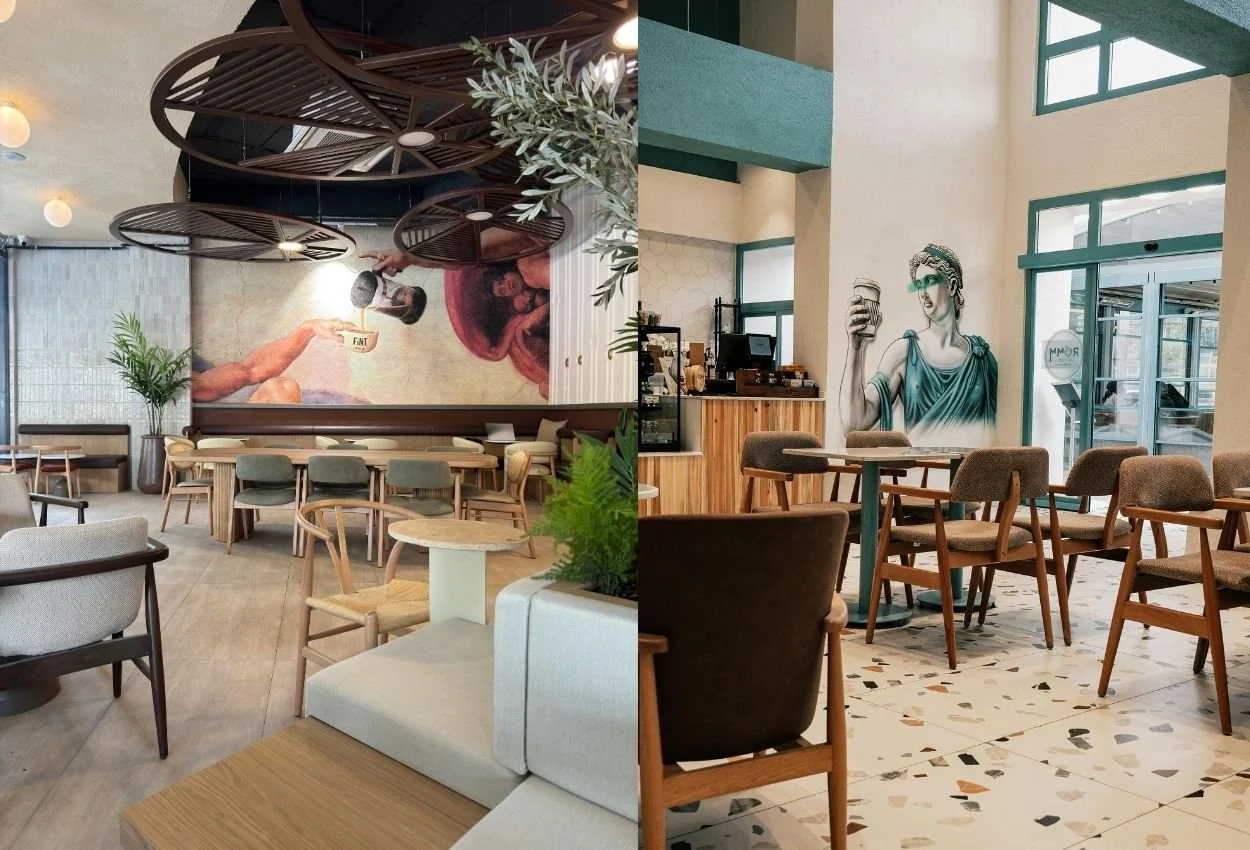
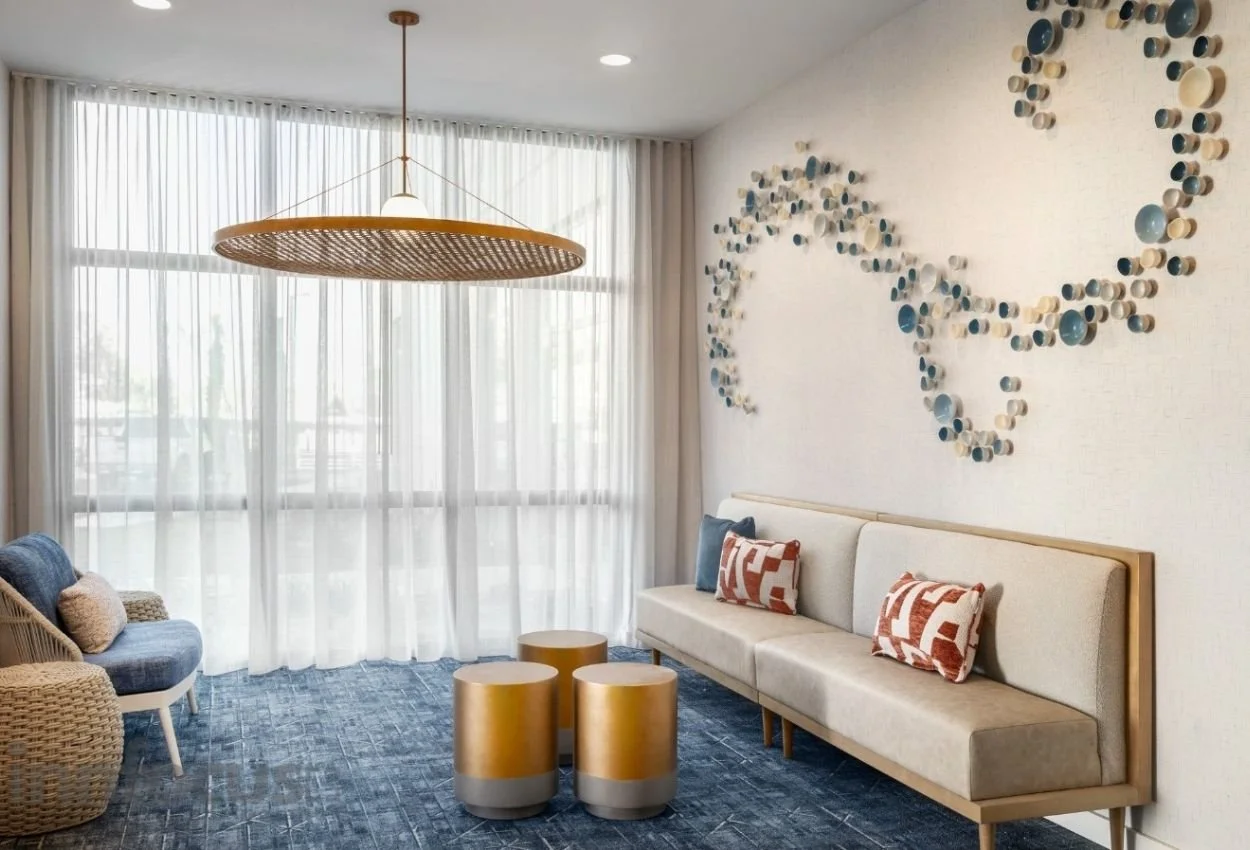
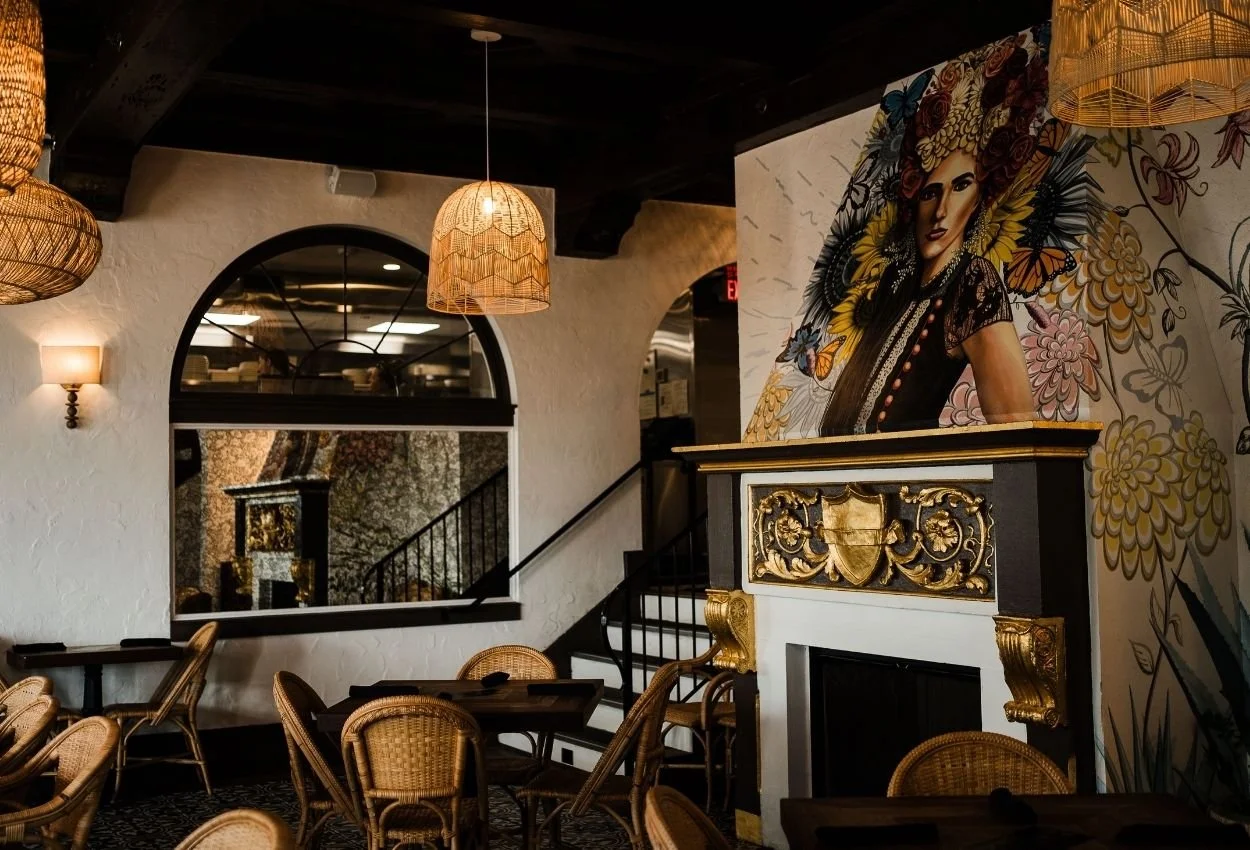
A lobby can still meet the functional demands of hospitality while telling a much more specific story about where it is.
One designer's dream 2027 lobby included “large-format custom artwork from local artists.” Another imagined elevated architectural details such as arched openings and lighting that isn't trying to disappear into the background.
Others went straight for velvet, bold floral prints, sculpted carpets, natural materials, huge windows and even a fountain.
Different answers, same underlying idea:
Make the space memorable.
So, What Will 2027 Design Actually Look Like?
If our designers are right, it won't have one particular look.
And that's kind of the point.
The strongest prediction coming out of our team isn't that every hotel will suddenly be filled with purple velvet sofas and travertine. It's that interiors are becoming warmer, more layered, more tactile, more natural and more individual.
We're trading safe for specific.
Perfect for patina.
Matching furniture sets for spaces that evolve around the way people actually use them.
And perhaps most importantly, designers are thinking beyond what looks good in a rendering. They're considering how spaces sound, feel, function, adapt and age.
Some trends will inevitably come and go. But designing spaces that feel good to be in?
We think that one has staying power.
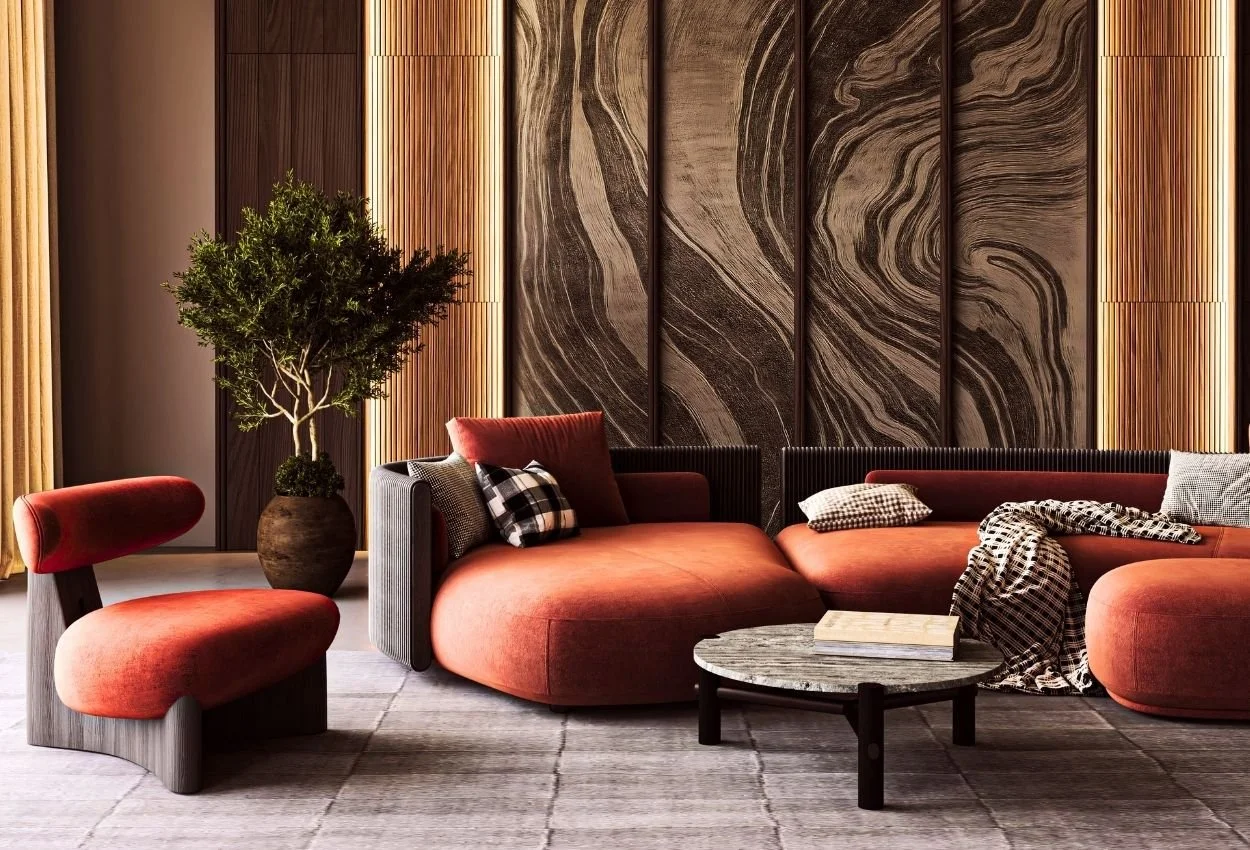
In summary, our interior design team predicts that 2027 will bring spaces that feel warmer, more layered and tactile, grounded in natural elements, and shaped by a stronger sense of individuality.
Furniture Industries works with hotel developers and owners as an Approved Purchasing Agent for IHG Hotels & Resorts, providing end-to-end FF&E procurement solutions that balance brand compliance with design excellence. [Contact us] to learn more about how we approach this for every project.